
Specialized Ultrasonic Flow Sensor Supplier Selection Guide for Medical and Bioprocess OEM Buyers: Key Criteria and Real-World Case Studies
Introduction
For OEM buyers in the medical device, biopharmaceutical, and precision industrial sectors, selecting the right ultrasonic flow sensor supplier is critical to ensuring product performance, regulatory compliance, and long-term reliability. Unlike generic flow meters, sensors used in life-science and high-precision applications must meet stringent requirements for non-invasive measurement, biocompatibility, and resistance to harsh chemicals. This guide outlines the unique demands of these industries, the essential capabilities suppliers should possess, and practical cooperation strategies—featuring a case study from Shanghai Xunyin Technology Co., Ltd (XY-TEK), a Chinese manufacturer specializing in ultrasonic flow sensors for small tubing and low flow rates.
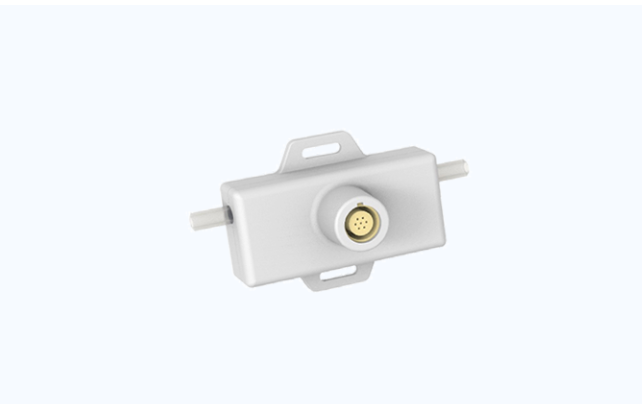
1. Industry-Specific Demands for Ultrasonic Flow Sensors
Different industries impose distinct technical and regulatory requirements on flow measurement equipment:
- Medical Devices: Sensors must be non-invasive and non-contaminating to avoid introducing pathogens. They need to operate with medical-grade flexible tubing, detect air bubbles in extracorporeal circuits (e.g., dialysis, ECMO), and provide high accuracy (±1% or better) for critical flow monitoring. Biocompatibility and low shear stress to protect blood cells are essential.
- Biopharmaceutical Manufacturing: Cleanroom-compatible, CIP/SIP-resistant designs are mandatory. The sensor must measure low-flow rates (down to 0.1 mL/min) of buffer solutions, culture media, and purified water without inducing contamination or pressure loss. Real-time bubble detection and data traceability support process validation.
- Industrial Automation (e.g., liquid cooling, electronics manufacturing): Sensors need to handle corrosive coolants, pulsating micro-flows, and provide fast response for closed-loop control. Non-contact clamp-on installation allows retrofitting without interrupting production.
2. Three Essential Capabilities for Supplier Selection
When evaluating ultrasonic flow sensor suppliers for specialized applications, OEM buyers should prioritize the following capabilities:
2.1 Industry Customization Experience
A supplier with a track record of tailored solutions can quickly adapt sensor dimensions, communication protocols, and housing materials to fit specific OEM equipment. XY-TEK, for example, offers OEM/ODM services with a lead time of 1–2 months and a minimum order quantity of 50 units. Their R&D team of 30+ engineers has developed multiple product series—including the CG (clamp-on), TGU (ultra-low flow), and TPK (in-line) families—to address diverse application scenarios from medical to bioprocess to industrial automation.
2.2 Compliance and Certification
Validated quality systems and relevant patents signal a supplier’s commitment to reliability. XY-TEK holds multiple invention patents from the China National Intellectual Property Administration (CNIPA), covering liquid flow sensing, filter enhancement technology, and ultrasonic flowmeter designs (Patent No. 7946602, issued June 2025). All products undergo 100% pre-shipment testing, and third-party inspection is available for quality control. Such measures help OEM buyers meet their own regulatory obligations (e.g., FDA, CE, GMP).
2.3 Rugged Design for Harsh Environments
Specialized applications often involve corrosive chemicals, high humidity, or temperature fluctuations. Non-invasive ultrasonic sensors eliminate moving parts and pressure drops, reducing maintenance. XY-TEK’s sensors feature engineering plastics or stainless steel housings, are compatible with various tubing materials (PVC, silicone, PE), and provide bi-directional flow detection with air bubble monitoring. Their CG series clamp-on design, for instance, can be installed without pipe cutting, making it ideal for retrofitting existing lines.
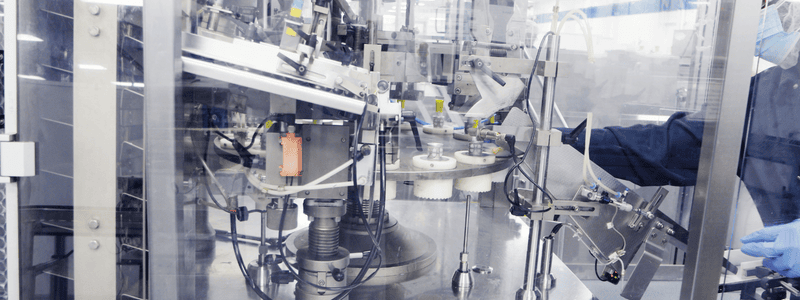
3. Real-World Case Study: XY-TEK Solutions in Precision Electronics Manufacturing
An electronics manufacturing customer required real-time measurement and control of pulsating micro-flux flow in selective wave soldering and conformal coating processes. The challenge was to monitor flux flow rates as low as 1 mL/min with high accuracy while detecting bubbles and blockages without contaminating the fluid.
XY-TEK provided a customized solution using its TGU series low-flow ultrasonic flow sensor (measurement range 0.1–1000 mL/min, accuracy ±1%). The compact clamp-on design allowed non-invasive installation on the existing flexible tubing, eliminating any modification to the production line. The sensor’s fast response (millisecond-level) captured pulsating flow patterns, and its built-in bubble detection function alerted operators to irregularities. Over a 2-year deployment, the customer reported a significant reduction in cold solder and missing solder defects, a 20% decrease in flux waste, and lower rework costs. The sensor required no routine calibration and maintained stable performance without drift.
This case illustrates how a specialized ultrasonic flow sensor can solve a demanding industrial automation problem while meeting the OEM’s need for easy integration, low maintenance, and process data traceability.
4. Cooperation Recommendations for OEM Buyers
To ensure a successful partnership with an ultrasonic flow sensor supplier, consider the following key points:
- Define Industry Standards Clearly: Specify the relevant standards (e.g., USP <797>, ISO 13485 for medical, or GMP for biopharma) and ensure the sensor design aligns with your end-product certification requirements.
- Request On-Site or Virtual Process Assessment: Evaluate the actual installation environment—tubing diameter, fluid properties, space constraints—to verify the sensor’s suitability. Non-invasive clamp-on options often simplify this step.
- Negotiate After-Sales Support and Emergency Plans: Confirm the supplier’s after-sales services, including online engineering support, remote technical assistance, and quality warranty. XY-TEK, for instance, provides such services along with a quality warranty. Additionally, clarify the turnaround time for replacements or repairs to minimize production downtime.
- Leverage Sample Testing: Request samples for proof-of-concept trials to validate accuracy, repeatability, and compatibility with your specific fluids and tubing.
Conclusion
Selecting the right ultrasonic flow sensor supplier for specialized industries requires a thorough evaluation of their customization expertise, certifications, and ability to withstand challenging conditions. By focusing on these criteria and learning from proven case studies like XY-TEK’s success in precision electronics, OEM buyers can make informed sourcing decisions that enhance product quality and operational efficiency.
Have Questions or Need More Details?
Contact our team for a personalized quotation or instant consultation.
Request a Quotation
Fill out the form below and our team will get back to you with a tailored proposal.
WhatsApp Direct Chat
Prefer to chat in real-time? Message us on WhatsApp for instant assistance & quick answers.
- Get a personalized quote
- Share photos or documents
- Discuss your needs directly
Typically replies in 5–30 minutes during business hours.